
Introduction
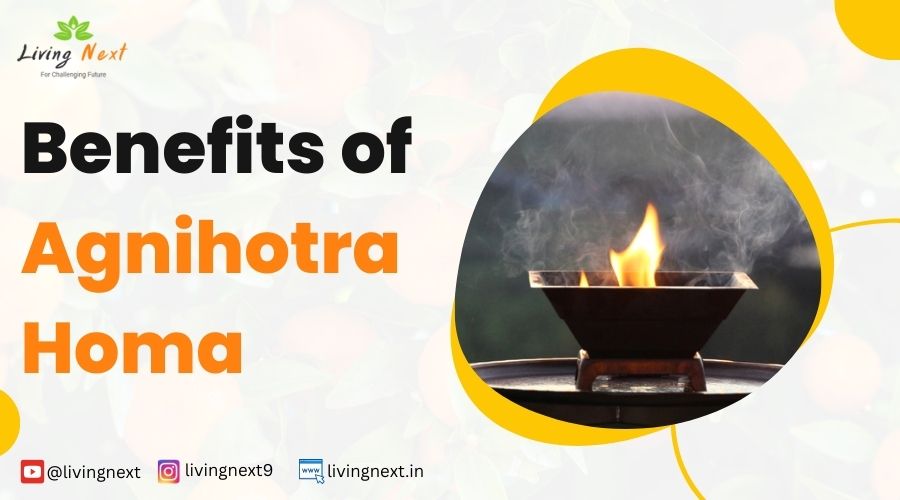
Agnihotra Homa is an ancient Vedic ritual that involves the offering of specific organic substances into a specially prepared fire at precise times of the day—sunrise and sunset. The ritual is performed by chanting specific Sanskrit mantras while offering cow dung, ghee (clarified butter), and rice into a copper pyramid-shaped vessel. The fire is kindled using dried cow dung cakes, and the entire process is done with great reverence and focus.
The practice is rooted in the ancient science of Ayurveda and is considered a form of environmental healing. Agnihotra Homa is said to purify the atmosphere, harmonize nature’s forces, and promote overall well-being. The ritual is simple yet profound, requiring only a few minutes each day.
Benefits of Agnihotra Homa:
Atmospheric Purification: Agnihotra is believed to purify the environment by neutralizing harmful pollutants and radiation. The smoke released during the ritual has antiseptic properties that can cleanse the air of harmful bacteria and toxins.
Stress Relief and Mental Clarity: The rhythmic chanting of mantras and the focused act of performing Agnihotra can induce a meditative state, reducing stress and anxiety. Practitioners often report a sense of calm, mental clarity, and enhanced concentration.
Enhanced Plant Growth: Studies have shown that the ash produced from Agnihotra can enhance soil fertility and improve plant growth. The ritual is said to promote a healthy ecosystem, benefiting agriculture and gardening.
Physical Health Benefits: Regular practice of Agnihotra is believed to balance the body’s bioenergies, leading to improved physical health. It is said to aid in detoxification, boost immunity, and promote overall vitality.
Spiritual Upliftment: Agnihotra is considered a spiritual practice that aligns the individual with cosmic rhythms. It is said to enhance spiritual awareness, deepen meditation, and foster a sense of unity with the environment.
Healing Properties: The ash from the Agnihotra fire is often used in traditional Ayurvedic treatments. It is believed to have healing properties that can help in treating various ailments, including skin conditions, respiratory issues, and digestive disorders.
Community and Social Harmony: Performing Agnihotra in a group setting is believed to create a harmonious and peaceful atmosphere, fostering a sense of community and togetherness.
In conclusion, Agnihotra Homa is a holistic practice that offers multiple benefits for individuals, communities, and the environment. Its simplicity and profound effects make it a valuable tool for achieving physical, mental, and spiritual well-being.
Also read Agnihotra Homa- A Step-by-Step Guide